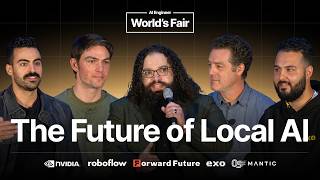
Compression at the Edge
Chris Alexiuk · Daniel Han · Asma Beevi · Merve Noyan · Parth Sareen
AI Engineer World's Fair 2026 · 46:01

Accelerated computing, AI infrastructure and graphics
NVIDIA develops accelerated computing hardware and software for AI, scientific computing, graphics and autonomous machines. Its CUDA platform lets developers use GPU parallel processing for scientific simulations and AI model development, while NeMo supports custom generative AI, including speech recognition and synthesis. GeForce RTX serves gamers and creators; Jetson and Isaac help teams develop and deploy robots and edge AI applications across manufacturing, logistics, healthcare and retail.
Founded in 1993 by Jensen Huang, Chris Malachowsky and Curtis Priem, NVIDIA began with a focus on 3D graphics for gaming and multimedia. Huang remains CEO. The company’s ray-tracing research also contributed to RTX hardware, while its DLSS technology uses AI to reconstruct high-resolution images from a fraction of the rendered pixels.
NVIDIA’s products span cloud, data-center, desktop and edge deployment. DGX Spark supports local AI applications, including personal agents that can switch between local and cloud models. For industrial software developers and manufacturers, its simulation tools support physically accurate digital twins for building, training and testing systems before deployment. Omniverse extends this work with camera, lidar and radar simulation that developers can integrate into existing applications.
This NVIDIA archive currently contains one recording, co-presented with Docusign. It offers a practical path into agreement extraction, structured document data and enterprise workflows. The descriptions below reflect the recording; they do not establish current product capabilities or availability.
Watch Your Agreements Are a Database You Can't Query for the business problem and demonstration: turning agreement pricing tables into queryable data while preserving tiers, SKUs and rate-card structure. Hiral Shah and Sean Sodha walk through order-form upload, metadata and pricing extraction, CSV export and API access, then discuss organization-wide agreement modeling and search. This is the most useful entry point for readers exploring how document extraction fits into an enterprise workflow.
Return to the same recording for the presenters’ description of Nemotron parse: a small vision-language extractor returning text, layout, reading order and table structure in one pass, with NVIDIA NIM or vLLM serving options discussed. The Q&A is useful for understanding Docusign’s reported hybrid pipeline, which retains OCR for other fields and clause text, and the distinction between bulk preprocessing and interactive document Q&A. Shah reports roughly 20× greater table-extraction throughput than other open-source models they tested, but the supplied account lacks full comparison conditions. Treat that as a reported result, not a general benchmark. Quantization, multi-token generation, retrieval and agent work are discussed as future directions in the recording, not verified present-day capabilities.
Chris Alexiuk · Daniel Han · Asma Beevi · Merve Noyan · Parth Sareen
AI Engineer World's Fair 2026 · 46:01
Carter Abdallah · Vincent Weisser · Lucas Atkins · Chris Alexiuk
AI Engineer World's Fair 2026 · 43:21
Nader Khalil · Alex Cheema · Matthew Berman · Ahmad Osman · Joseph Nelson
AI Engineer World's Fair 2026 · 44:29
Walden · Carter · Tanay · Alex Atallah · Nav
AI Engineer World's Fair 2026 · 48:17
AI Engineer World's Fair 2026 · 20:36
AI Engineer Europe 2026 · 10:16
AI Engineer World's Fair 2025 · 16:41
AI Engineer World's Fair 2025 · 20:24
Travis Bartley · Myungjong Kim · Byungjoong · Jaehan
AI Engineer World's Fair 2025 · 16:24
Annika Brundyn · Aastha Jhunjhunwala
AI Engineer World's Fair 2025 · 17:47
AI Engineer World's Fair 2024 · 33:39
Affiliations reflect their AIE appearances, not necessarily current employment.
 Chris AlexiukSr. Product Research Engineer
 Asma BeeviSenior Engineer
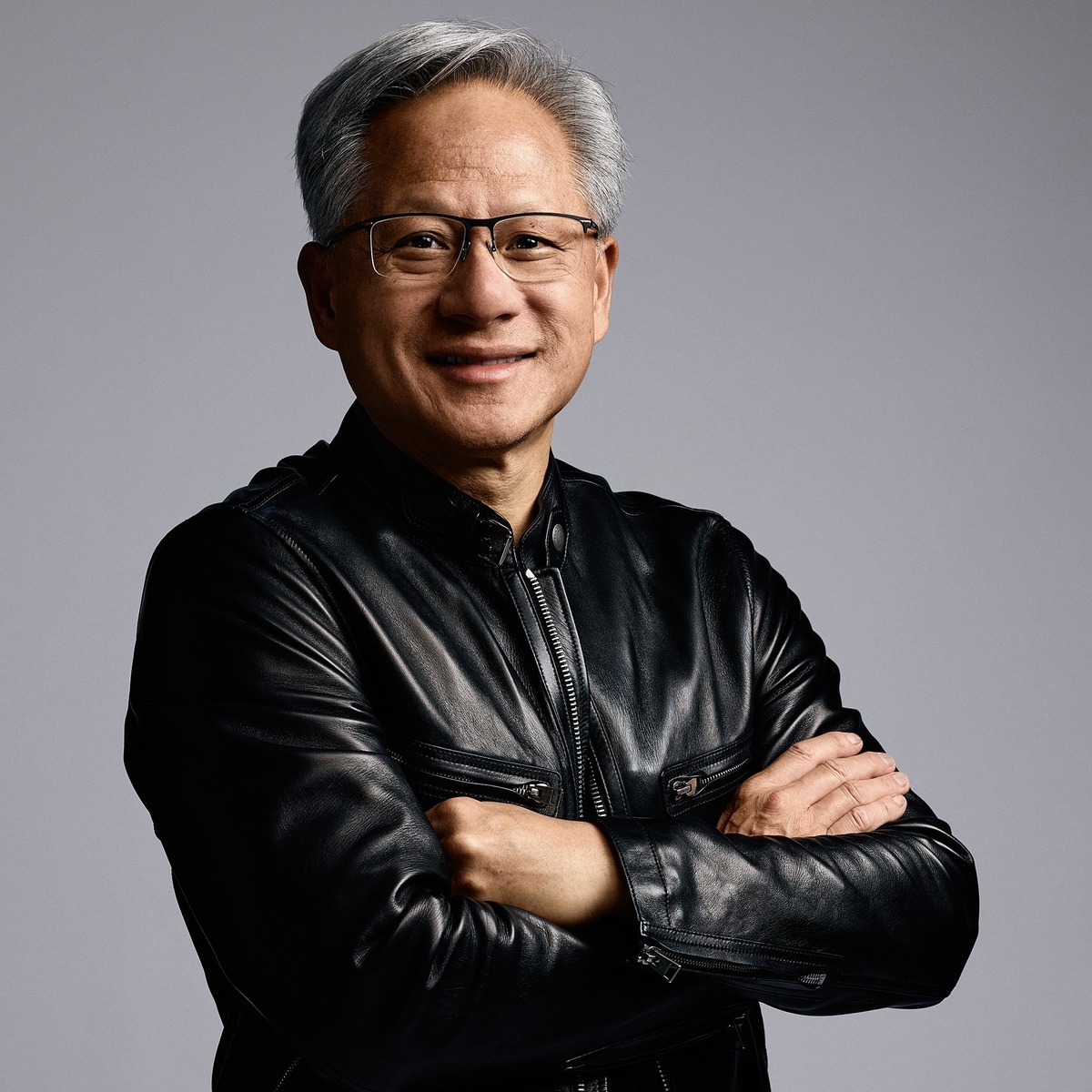 Jensen HuangNVIDIA’s co-founderSylendran ArunagiriTechnical product marketing manager for NVIDIA NeMoKyle KranenNVIDIA engineering leader and architect of NVIDIA DynamoMitesh PatelSenior developer advocacy leader and principal engineer
 Carter AbdallahSenior Developer Tech
 Mark MoyouNVIDIA data scientist and solutions architect
 Mozhgan Kabiri ChimehNVIDIA developer relations manager
 Nader KhalilDirector of Developer TechnologyTravis BartleyMyungjong KimByungjoongJaehanCarterAnnika BrundynAastha Jhunjhunwala
 Ziv IlanSolutions architect on NVIDIA’s Paris-based AI Labs team
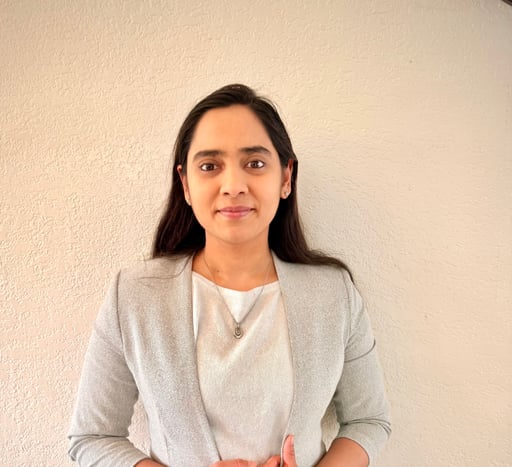 Lovina DmelloSenior Software Developer
 Sean SodhaDeep learning senior product manager